
Patient guide
By Saphena Vein Clinic Editorial Team · Updated October 2026
A phlebologist is a doctor who evaluates and treats vein conditions. Common concerns include varicose veins, spider veins, ongoing leg swelling, leg cramps, restlessness, and skin discoloration. Here is how to compare vein doctors, explain your symptoms, and decide what to ask at an appointment.
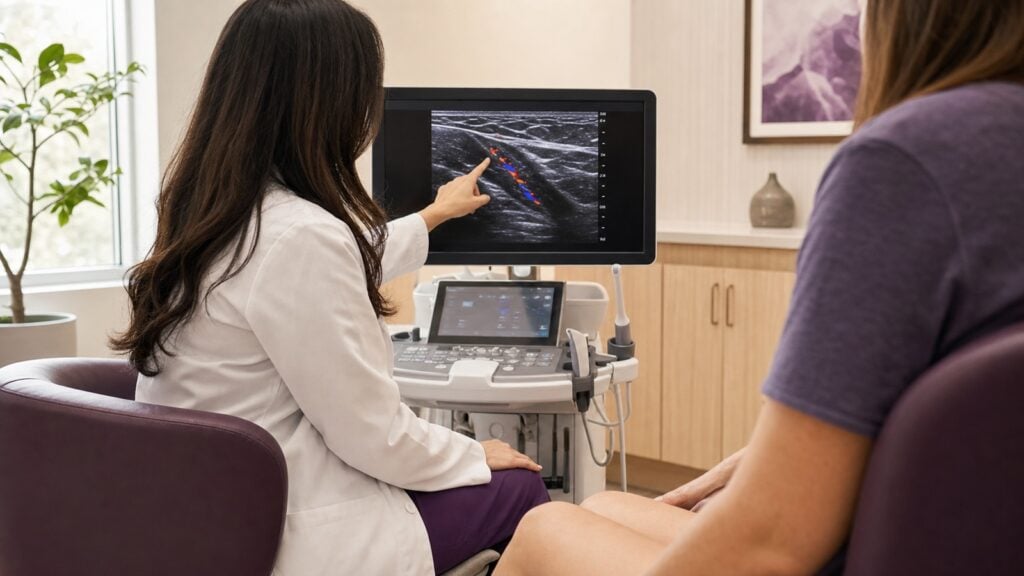
Phlebology means the study and care of veins and their disorders. Physicians working in phlebology can come from different medical specialties. Rather than choosing by the words “vein doctor” or “vein specialist” alone, ask about the physician’s license, training, and experience with your concern.
A vascular surgeon treats diseases of arteries and veins, using both surgical and nonsurgical care. Dermatologists also treat some visible leg veins, including spider veins. A phlebologist describes a vein-focused doctor; ask separately about that doctor’s original specialty and any additional certification. The useful question is not which label sounds most specialized, but who has the relevant training for your problem and when they would refer you elsewhere.
Varicose veins are enlarged, twisted veins; spider veins are smaller visible vessels near the skin. Vein conditions include chronic venous insufficiency (a condition in which leg vein valves do not close well, so blood flows backward and pools). It can cause swelling, skin changes, and sometimes slow-healing leg sores.
Leg aching and swelling can have causes other than a vein condition. Bring your main concern, whether that is discomfort, appearance, or both, and ask what the evaluation is intended to clarify.
Learn more about vein symptoms and conditions and vein treatment options.
If you are wondering whether to make an appointment, note what you feel and when it happens. These are useful concerns to bring up:
When you call, describe when the change began, whether it affects one leg or both, and how it affects your day. The urgent-care guidance is in the final question below.
You do not need to arrive knowing which treatment to request. Start with what has been bothering you and what you hope to understand.
Who provides care at Saphena?
Dr. Catherine Youssef, MD
active Florida medical license ME159975
Dr. Catherine Youssef, MD, sees every patient at Saphena. She completed her residency training in Family Medicine and focuses her practice on vein care (phlebology).
Learn more about Dr. Youssef’s background. When comparing care, ask these questions:
Coverage cannot be promised before your plan’s requirements are checked. Ask about your benefits, any authorization requirements, and your estimated share of the cost before deciding on treatment.
If you schedule a visit, how to prepare for your first vein appointment lists what to bring.
For benefit checks, see insurance and your visit. For general treatment information, see vein treatment options.
A phlebologist is a doctor who evaluates and treats vein conditions. Physicians working in phlebology can come from different medical specialties.
A vein-focused physician can assess spider veins and discuss cosmetic options. If you also have aching, swelling, heaviness, or skin changes, ask whether a medical evaluation should come first.
Many vein procedures can be performed in an office for an appropriate patient. The setting and option depend on the diagnosis, anatomy, medical history, risks, and treatment plan.
Seek medical care the same day for new or worsening leg swelling, pain or tenderness, warmth, or redness or discoloration in one leg. Call 911 for trouble breathing, chest pain (especially if it worsens with a deep breath or cough), coughing up blood, a fast or irregular heartbeat, lightheadedness, or fainting.
On this page

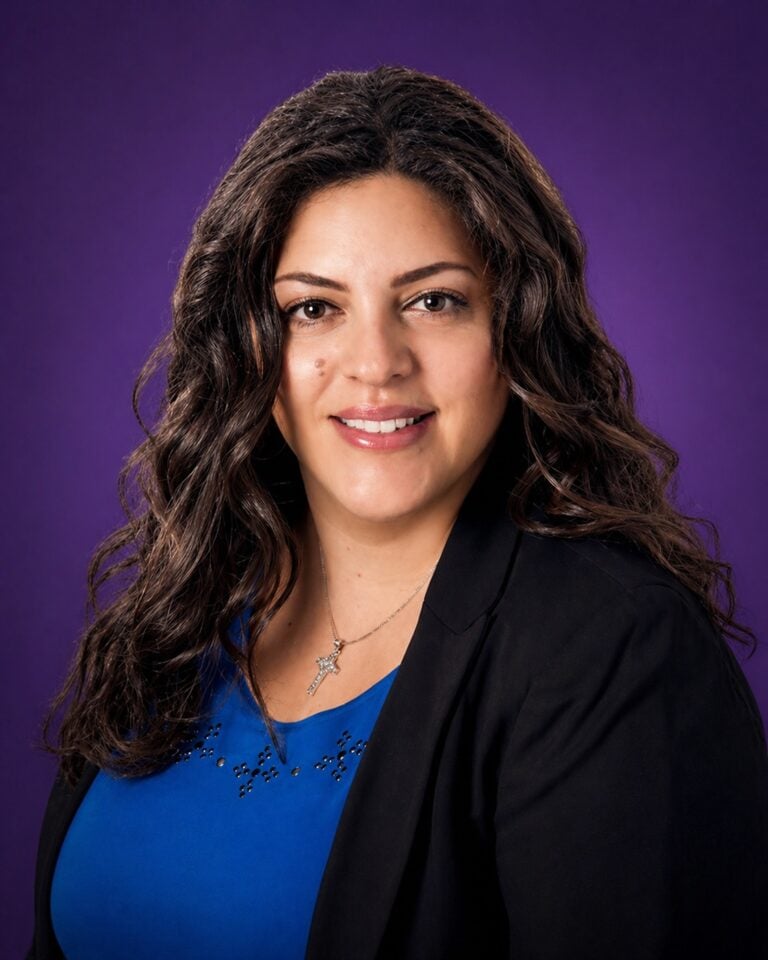
Dr. Youssef leads Saphena Vein Clinic & Wellness Center in Altamonte Springs. She holds an active Florida medical license (ME159975).
About Dr. Youssef →At Saphena Vein Clinic, start with your questions. Call the Altamonte Springs clinic or request a callback to discuss arranging an evaluation with Dr. Catherine Youssef, MD.