Patient guide
By Saphena Vein Clinic Editorial Team · Updated October 2026
If you are considering vein ablation in Altamonte Springs, you may be wondering how radiofrequency and laser treatment differ—and how to choose without rushing. This guide explains the two approaches and the questions to bring to your evaluation.
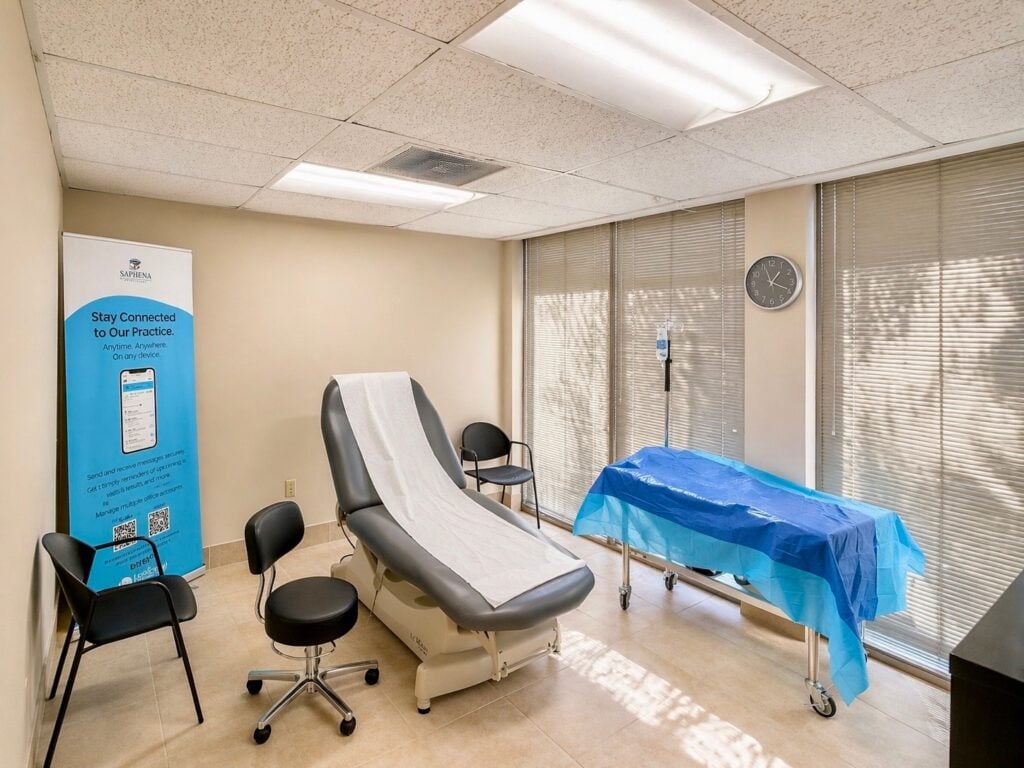
Vein ablation is designed to close selected veins with reflux (blood flowing backward in a leg vein because its valves do not close well).
Ask which option is being considered for you and why.
Your symptoms, health history, examination findings, and ultrasound results help guide whether ablation fits your treatment plan. Ask what the findings mean for the choice being discussed.
The evaluation may lead to monitoring, care without a procedure, or other treatments, rather than ablation.For the wider discussion, see Varicose Vein Treatment.
Ask for preparation, activity, and follow-up instructions specific to your treatment plan.
For the options offered at the clinic, explore Treatments.
Bring your questions about the recommendation, alternatives, and what would happen if you chose not to have a procedure.
You do not need to arrive with a treatment picked out.
Radiofrequency ablation for varicose veins uses radiofrequency energy to heat the vein through a thin catheter (a small, flexible tube).
Endovenous laser ablation uses laser heat delivered through a thin catheter or fiber inside the vein. Saphena offers radiofrequency ablation and endovenous laser ablation in the office when the evaluation shows they are appropriate.
What findings support this option for me?
What are the alternatives, including not having a procedure?
What preparation, activity, and follow-up instructions should I follow?
Tell Dr. Youssef what has been bothering you and what you would need to understand before deciding.
After a procedure at Saphena, call (321) 972-2599 with questions. After hours, if it is urgent, call the same number to speak with the doctor on call. For non-urgent messages, such as scheduling questions, leave a voicemail and someone will get back to you during business hours.
These treatments can cause mild bruising, tenderness or tightness along the treated vein. Skin numbness, discoloration, nerve irritation, a skin burn, or a blood clot in a deeper vein can happen, but these are very rare.
Seek medical care the same day for new or worsening leg swelling, pain or tenderness, warmth, or redness or discoloration in one leg. Call 911 for trouble breathing, chest pain (especially if it worsens with a deep breath or cough), coughing up blood, a fast or irregular heartbeat, lightheadedness, or fainting.General information only; not medical advice, a diagnosis, or an individual treatment recommendation. Individual results may vary.
At Saphena Vein Clinic & Wellness Center, Dr. Catherine Youssef, MD, sees every patient.
We accept most insurance plans, and our staff is happy to verify your insurance and check your eligibility. Check with your insurance company for plan-specific questions, or see Insurance and your visit.
When you are ready to ask about your symptoms, call (321) 972-2599 to request an evaluation.
Radiofrequency and laser ablation commonly use local anesthetic, a numbing medicine placed around the vein.
After a treated vein is closed, other veins carry blood back toward the heart.
Other visible veins may need separate treatment after ablation.
In patients with chronic venous disease, new varicose veins can become apparent or cause symptoms. Some people may need more than one treatment.
On this page

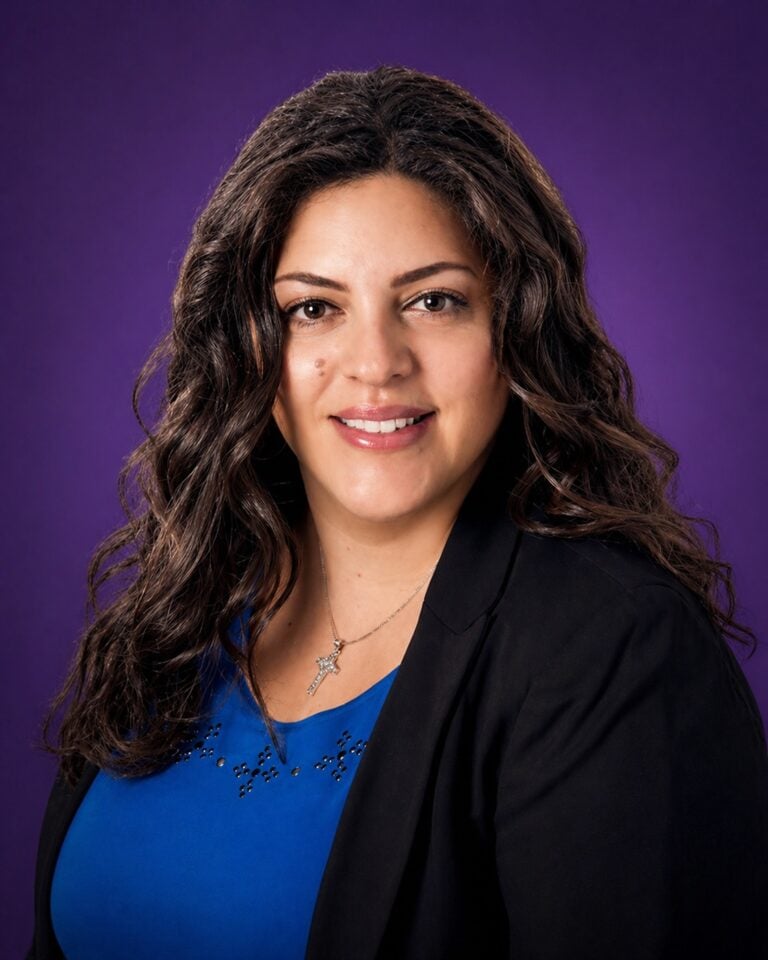
Dr. Youssef leads Saphena Vein Clinic & Wellness Center in Altamonte Springs. She holds an active Florida medical license (ME159975).
About Dr. Youssef →Call the Altamonte Springs clinic or request a callback to talk through your questions and arrange an evaluation.